Discover Insights
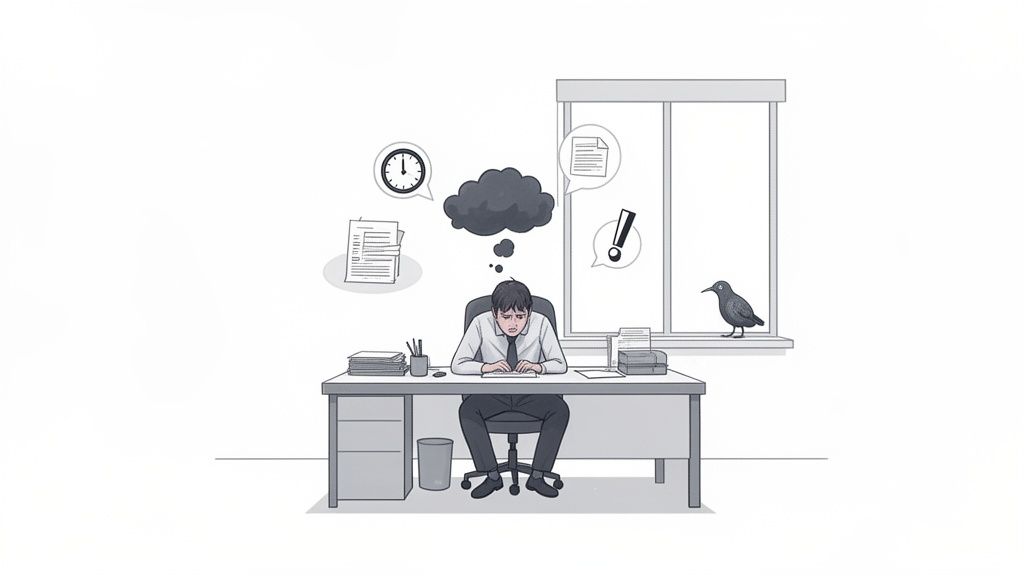
The Productivity Paradox: Why Working Harder is Making You Less Efficient
Have you ever reached the end of an 8-hour workday feeling absolutely exhausted, only to realize you didn't actually finish any of your major tasks? You were "busy" all day—answering emails, fixing small errors, formatting documents—but you weren't actually productive. This is the Productivity Paradox: the more we try to juggle small, repetitive tasks, the less brainpower we have for the work that actually matters. In the digital age, we are surrounded by "Micro-Friction." These are the tiny, 2-minute tasks that eat away at our focus. Changing the case of a text block, calculating a percentage for a report, or generating a QR code for a meeting. Individually, they seem small. Collectively, they are the silent killers of your efficiency. The Science of Context Switching Studies show that every time you switch your attention from a major task to a minor one, it takes your brain an average of 23 minutes to return to deep focus. This is called "Attention Residue." When you stop writing a report to manually count words or fix capitalization errors, your brain stays partially stuck on those small tasks. By the time you get back to your main work, your creative energy has plummeted. To be truly productive, you must protect your "Deep Work" hours. This means automating or using specialized tools for the "Shallow Work" that usually clogs up your schedule. The Power of "Frictionless" Workflows The world’s most successful professionals don't work more hours; they work with less friction. They use digital utilities to handle the boring stuff. For example, instead of manually retyping a paragraph that was accidentally written in all-caps, a smart worker uses a Text Case Converter. Instead of guessing how many words are in an article to fit an SEO limit, they use a real-time Word and Character Counter. These are not just "shortcuts"—they are cognitive tools that free up your mental energy for high-level problem-solving and creativity. Every second you save on a repetitive task is a second you invest in your career or your personal life. How to Build Your Own Productivity Hub You don't need expensive, bloated software suites to be efficient. In fact, simple, fast, and focused tools are often better. Here is how you can optimize your daily workflow: Batch Your Small Tasks: Don't fix errors as you find them. Write your entire draft first, then use formatting tools at the very end to polish everything at once. Use Browser-Based Utilities: Avoid installing heavy software for simple tasks. Fast, web-based tools (like the ones here on MagFlora) allow you to get the job done without slowing down your computer. Automate Communication: If you frequently share links or contact info, generate a permanent QR code. It saves you from typing and re-typing the same information over and over again. The Emotional Impact of Efficiency Productivity is not just about doing more; it’s about feeling better. There is a specific kind of stress that comes from "busy-work"—the feeling of being a cog in a machine. When you use tools to handle the mundane tasks, you regain a sense of control over your time. This leads to lower burnout rates and a much higher level of job satisfaction. At the end of the day, your time is the only resource you can never get back. Our mission at MagFlora is to help you reclaim that time. Whether you are a student drafting an essay, a developer generating unique IDs, or a marketer analyzing data, our suite of utilities is designed to remove the friction from your day so you can focus on building something great. Efficiency is a mindset. Stop fighting with your tools and start letting them work for you. Your future self will thank you for the extra hour you saved today.
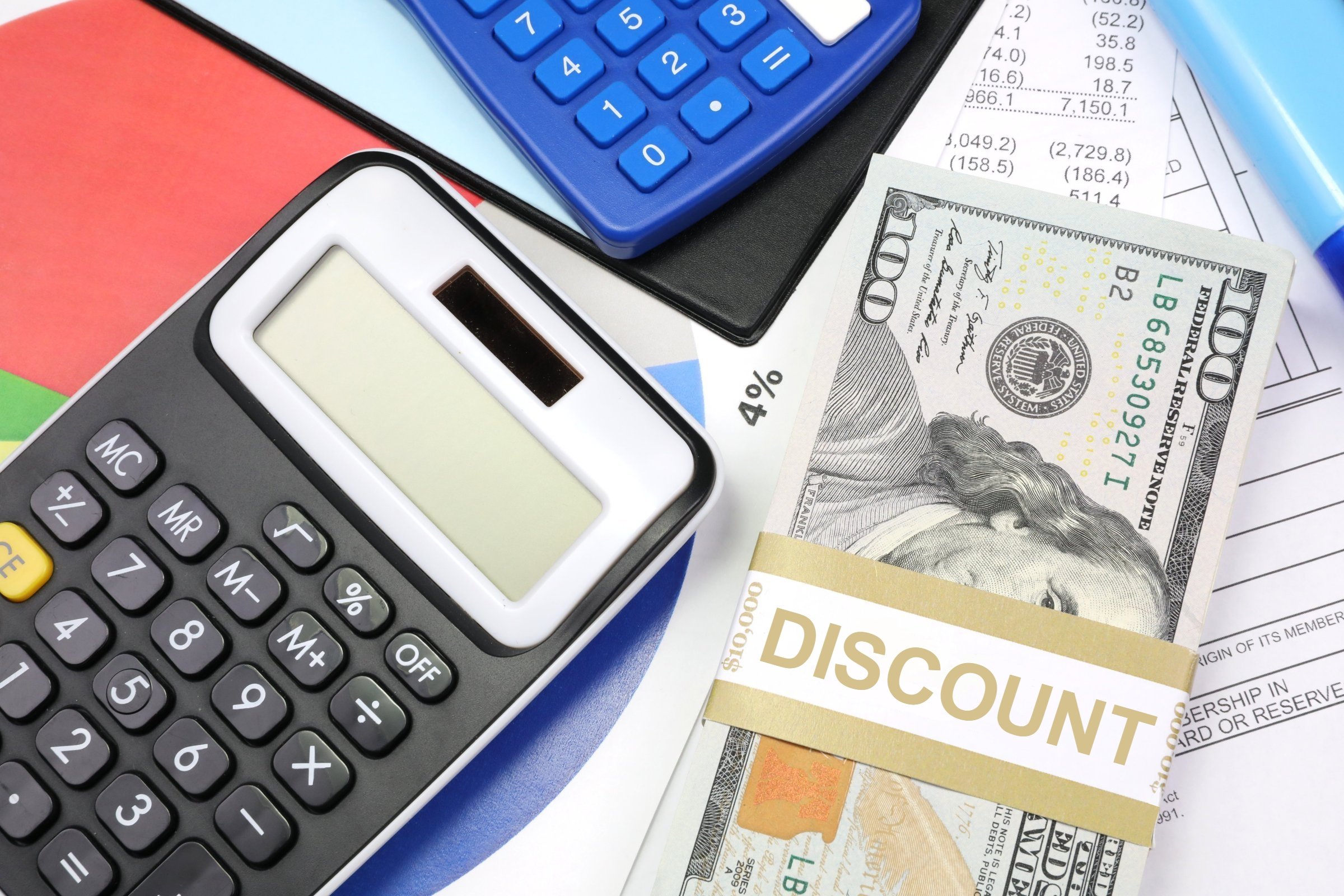
The Math of Smart Shopping: How to Calculate True Savings Instantly
We see them everywhere: bold red signs screaming "35% OFF today only!" or online checkout counters offering a stackable 15% coupon on top of an existing markdown. Retailers are masters of psychological pricing, often structuring deals in ways that make it difficult for our brains to compute the final price on the fly. As a result, shoppers frequently overspend or miss out on genuine deals because they cannot separate marketing hype from real savings. Making smart financial decisions shouldn't require carrying a notebook or struggling with complex formulas in your head. Utilizing web-based mathematical utilities gives you immediate clarity when every dollar counts. 1. Decoding Tiered Sales and Markdowns Retail stores love to complicate discounts by offering promotional structures like "Buy one, get the second at 40% off" or "Take an extra 20% off already reduced clearance items." Figuring out if a deal is actually worth your hard-earned money can be confusing. Using an instant Discount Calculator helps you strip away the promotional language to reveal the exact final cost and the total money saved before you ever reach the register. 2. Tracking Business and Investment Metrics Percentage calculations aren't just for retail therapy; they are a fundamental pillar of freelance work, business management, and personal investing. Whether you need to figure out a freelancer's markup, calculate the year-over-year growth rate of your savings account, or determine the correct sales tax for an invoice, accuracy is non-negotiable. A dedicated Percentage Calculator removes human error entirely, ensuring your financial records remain flawless. 3. Instant Calculations Without Hidden Tracking Many financial websites require you to sign up for an account, fill out intrusive forms, or sit through unskippable ads just to use a simple calculator. Worse, they track your financial inputs to serve you targeted advertising later. Our MagFlora math utilities operate completely locally within your browser window. No data is stored, no inputs are tracked, and your financial planning remains completely confidential. Don't let complicated percentages slow down your decision-making. By adding specialized mathematical tools to your daily bookmark bar, you can master your budget and shop with absolute confidence.
The Surprising Return of QR Codes: Why Your Business Can't Survive Without Them
A few years ago, people thought QR codes were a dying trend. They were those weird little black-and-white boxes that nobody really knew how to scan. Fast forward to today, and they are absolutely everywhere—from restaurant menus to concert tickets and even TV commercials. If you are a business owner or a creator and you aren't using QR codes yet, you are missing out on one of the easiest ways to connect with your audience. Here is why they have become so essential in the modern world. 1. Bridging the Gap Between Offline and Online Imagine you have a physical flyer or a business card. You want someone to visit your website. Without a QR code, they have to open their browser, type in your URL, and hopefully not make a typo. With a QR code, they just point their camera and they are there. It removes all the friction. 2. Contactless Convenience In a post-pandemic world, nobody wants to touch a physical menu that a hundred other people have handled. QR codes have revolutionized the dining industry by allowing customers to view menus and even pay directly from their phones. It’s faster, cleaner, and more efficient. 3. Trackable Results One of the best things for marketers is that you can track how many people are scanning your codes. This gives you real data on which of your marketing materials are actually working. Creating your own is now easier than ever. You don’t need fancy software. You can jump over to our free QR Code Generator, paste your link, and download your custom code in seconds. Whether it’s for a personal project or a massive business launch, it’s a tool you definitely need in your digital toolbox.
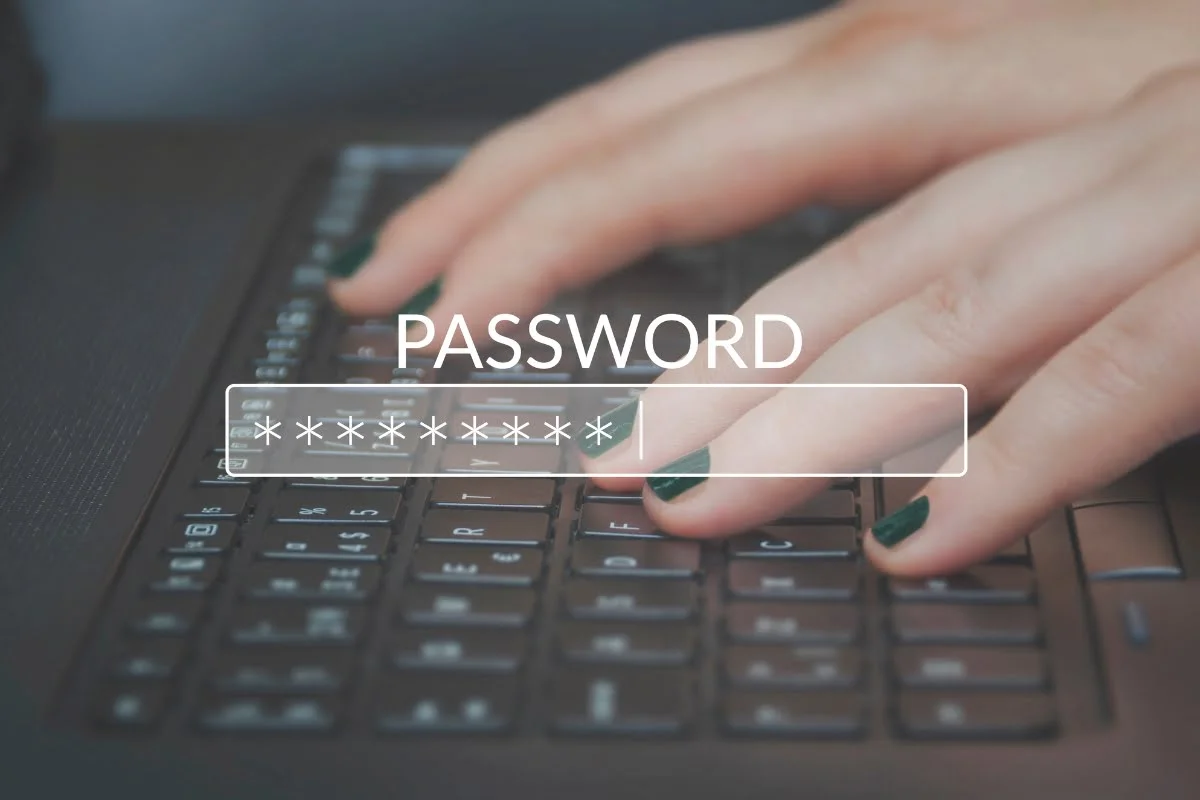
Why "123456" is Still the Most Dangerous Password (And How to Fix It)
Let's be honest. We all have that one password we use for almost everything. Maybe it's your pet's name followed by your birth year, or maybe it's just the classic "password123". It’s easy to remember, so why fix it if it isn't broken, right? Well, here is the scary truth: automated hacking tools can crack simple passwords in less than a second. If someone gets into just one of your accounts, they suddenly have the golden key to your entire digital life. The Real Threat Behind Simple Passwords Hackers don't sit at a computer manually typing in guesses anymore. They use powerful software that runs millions of combinations per second. When a big website gets hacked, databases full of passwords are leaked onto the dark web. If you use the same password on your email that you used on a random forum five years ago, your email is practically wide open. How to Create a Password You Can Actually Remember You don't need a photographic memory to stay safe. Instead of a single complex word, try using a passphrase. A passphrase is a string of random words strung together. Bad: Tr!ckY89 (Too short, easily cracked) Good: PurpleCoffeeMonkeyBlanket! (Long, easy to picture in your head, mathematically impossible to crack quickly). The Easiest Solution If you don't want to think of a passphrase, the safest route is using a random string of characters and keeping it in a trusted Password Manager. You can easily generate one using our free Password Generator tool. It creates highly secure, randomized passwords locally on your browser, so nobody else will ever see it. Take five minutes today to change the password on your primary email account. Trust me, it’s worth the peace of mind.

The Invisible Shield: Why Digital Privacy is Your Most Valuable Asset in 2026
Imagine walking out of your house and leaving the front door wide open, with a sign on your lawn that says, "Everything inside is free." You would never do that in the physical world, right? Yet, millions of internet users do the digital equivalent of this every single day. In 2026, our digital lives are more complex than ever before, yet many of us are still using security habits from a decade ago. As we navigate through 2026, our personal data is no longer just information; it is the absolute global currency. From the AI models training on your social media posts to the smart devices tracking your every move at home, every piece of your identity is being harvested. This is why digital privacy is no longer an "option"—it is the only shield you have in an increasingly transparent world. The Rise of AI and the Death of Anonymity The biggest shift we’ve seen in 2026 is the integration of Advanced AI into every corner of the web. While AI helps us work faster, it also requires massive amounts of data to function. Many "free" AI tools collect your inputs, your documents, and even your voice patterns to improve their systems. If you aren't careful, the private details of your business or personal life could end up inside a public data model. We often hear the phrase, "If you aren't paying for the product, you ARE the product." In 2026, you aren't just the product; you are the training data. The Human Factor: The Greatest Security Risk Even with the most advanced encryption, the biggest security hole is usually the person sitting at the keyboard. Cybercriminals in 2026 have moved beyond simple "spam" emails. They now use sophisticated "Deepfake" technology and AI-generated phishing messages that look and sound exactly like a real colleague or a bank official. One of the most dangerous, yet common, mistakes is using the same password for multiple accounts. If a hacker gets into a minor account you created years ago, they can use automated scripts to test that same password on your Gmail, your crypto wallet, or your bank account. This is why a Secure Password Generator is your first line of defense. By creating 20+ character randomized strings, you make it mathematically impossible for standard hacking tools to guess your credentials. Three Essential Pillars for Your 2026 Digital Safety Protecting yourself today doesn't require a degree in computer science. It requires a change in mindset. Focus on these three pillars: 1. End-to-End Encryption: Always verify that you are on a secure connection. Look for the "HTTPS" lock. In 2026, unencrypted sites are a playground for data interceptors. 2. Hardware-Based Authentication: Moving beyond simple SMS codes (which can be intercepted), use physical security keys or biometric "passkeys" whenever possible. It’s like having a physical lock that only you can open. 3. Browser-Side Logic: Whenever you use digital utilities, choose platforms that process your data locally. Most online converters send your text to a server. On MagFlora, our tools work 100% inside your browser, meaning your private data never even reaches our servers. Data Minimalism: The New Power Move The most secure piece of data is the one you never shared. Practice "Data Minimalism"—if a website asks for your phone number or birthdate and it isn't absolutely necessary, don't provide it. The smaller your "digital footprint" is, the less there is for a hacker to steal during a data breach. In an era where data leaks happen daily, being a ghost in the machine is a major advantage. Conclusion: Autonomy in a Connected World Privacy is about more than just hiding secrets; it is about maintaining your freedom. When a company knows everything about you, they can manipulate your choices, your purchases, and even your opinions. By taking control of your digital privacy today, you are reclaiming your autonomy. At MagFlora, we built our platform with a "Privacy First" philosophy. Whether you are generating a unique ID, counting words in a confidential report, or checking your BMI, you can trust that your data stays with you. Security in 2026 is a journey, not a destination. Stay curious, stay skeptical, and keep your invisible shield strong.
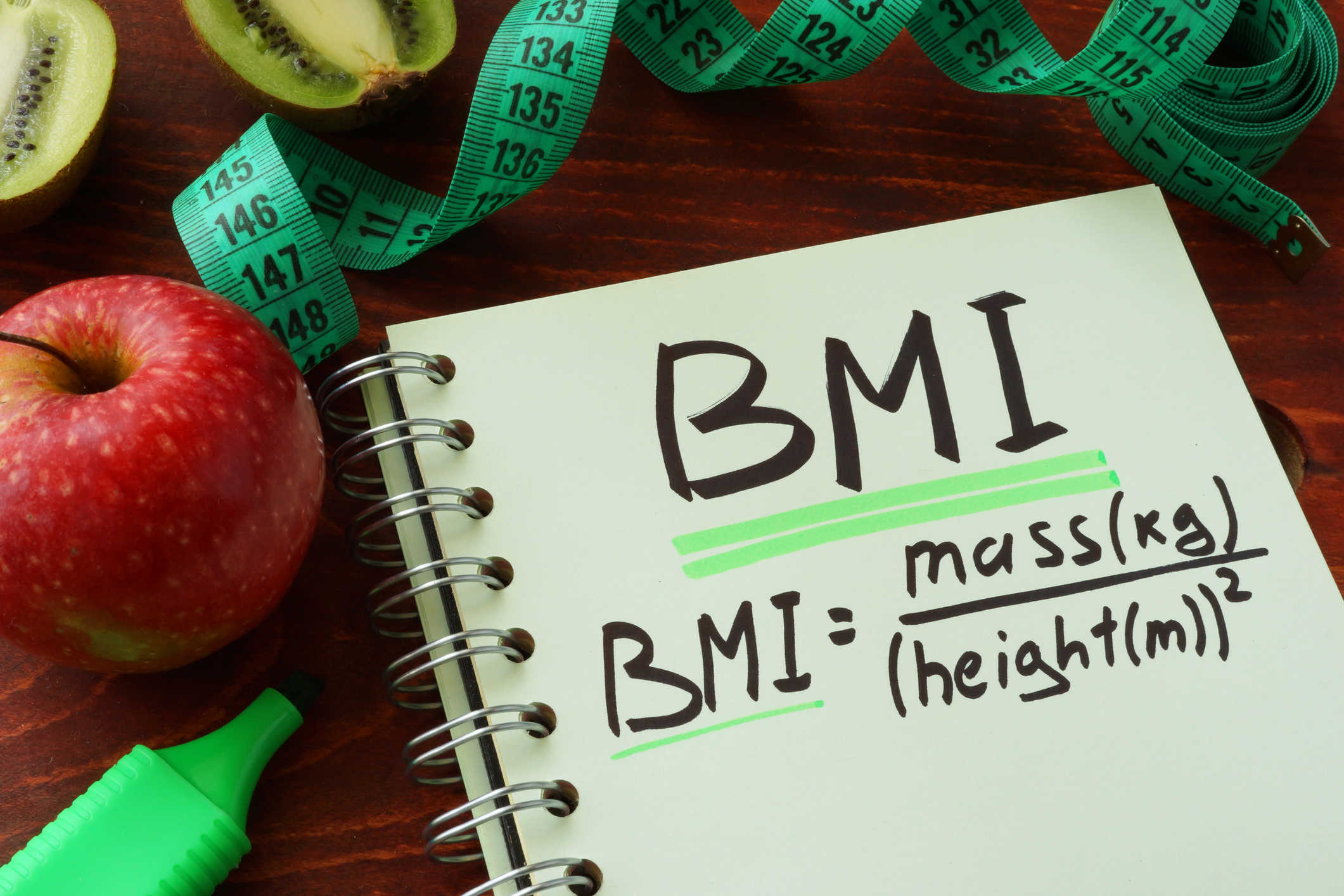
Is Your Weight Healthy? Decoding BMI and Why It Matters More Than You Think
Most of us have stood on a scale and felt either happy or a little frustrated by the number we saw. But here is the truth: your weight is just a number. What actually matters is how that weight relates to your height. This is where the Body Mass Index, or BMI, comes into play. Think of BMI as a quick snapshot of your health. It’s not a perfect measurement of your body fat, but it’s the most reliable way for doctors and fitness enthusiasts to categorize whether you are in a healthy range or if you might be at risk for certain health issues. What Your BMI Score Actually Means When you use our BMI Calculator, you get a single number. But what do you do with it? Here is the general breakdown: Below 18.5: You might be underweight. It’s a good idea to focus on nutrition and strength. 18.5 – 24.9: This is the "sweet spot" or the healthy range. Keep doing what you are doing! 25.0 – 29.9: This is categorized as overweight. It’s often a wake-up call to adjust your daily habits. 30.0 or Higher: This falls into the obesity category, which is often linked to higher risks of heart disease or diabetes. Don't Stress the Number Too Much While BMI is great, it doesn't know the difference between muscle and fat. For example, a heavy-weight bodybuilder might have a high BMI but very little body fat. That’s why you should use this as a guide, not a final judgment. Take a second to check your score today. It takes less than 30 seconds, and it might just be the motivation you need to start a healthier lifestyle.
All Free Tools
Calculators
Age Calculator
Accurately calculate exact age in years, months, and days from a given birth date.
BMI Calculator
Instantly determine your Body Mass Index (BMI) to monitor your physical health.
Discount Calculator
Quickly calculate the final price after a percentage discount and see exactly how much money you save.
Length Converter
Instantly convert length and distance measurements between meters, centimeters, inches, feet, and more.
Percentage Calculator
Calculate percentages, discounts, and percentage changes easily and accurately.
Weight & Mass Converter
Accurately convert weight and mass units including kilograms, grams, pounds, and ounces in real-time.
Developer Tools
Base64 Encoder
Safely encode text to Base64 format or decode Base64 strings back to readable text.
Color Converter
Convert color codes between HEX, RGB, and HSL formats instantly for UI design.
URL Encoder Decoder
Safely encode URLs for web transmission or decode them back to readable links.
UUID Generator
Generate secure, random Universally Unique Identifiers (UUID v4) for your apps.
Generators
PDF Tools
Text Tools
Lorem Ipsum Generator
Generate custom placeholder dummy text for your web and design projects instantly.
Text Case Converter
Instantly convert your text to uppercase, lowercase, title case, or sentence case.
Word & Character Counter
Analyze your text with real-time word, character, sentence, and paragraph counting.